Personal finance and health tracking
Apps that keep sensitive personal data on the device, behind a PIN, with encrypted backups.

AiRedHQ builds Android and iOS apps, native or with Flutter or React Native, for businesses that need an app people keep using. A typical MVP is store-ready in 4 to 6 weeks, with offline support, crash reporting and store listings set up.
Money plan
₹70,550
Store orders
₹1,180
Privacy
No internet
Turn a mobile use case into a responsive, dependable product that earns a place in the user's daily routine.
Apps that keep sensitive personal data on the device, behind a PIN, with encrypted backups.
Let customers or staff receive orders, confirm appointments and get notified on the move.
Checklists, photos and forms that keep working without signal and sync when back online.
Location-based browsing of nearby shops, markets, services or events.
Teams that need an app people open every day, on the phones their users actually carry. In India that usually means Android first.
YojIQ and GoBazaar inform how we design focused mobile flows, privacy-sensitive data and location-aware experiences.
Polished Apple-platform experiences with platform-aware interaction and release quality.
Reliable experiences designed for diverse devices, contexts and connectivity.
Flutter and React Native where shared delivery creates meaningful product value.
APIs, notifications, offline states, analytics and release operations.
Concrete artifacts you keep, whoever builds the next version.
Signed release builds, tested on a range of real devices and OS versions.
Keystores, certificates, test tracks and a documented release process held in your accounts.
Play Store and App Store copy, screenshots, privacy labels and the Play data-safety form.
Crash and freeze reporting, plus only the usage events agreed with you up front.
What works without a connection, how conflicts resolve and what gets backed up.
APIs, push notification setup and an admin view where the app needs one.
Map the daily journey and the moment someone opens the app.
Output: Flow map
A tap-through prototype tested on real phones.
Output: Validated prototype
Choose native or cross-platform and plan device features.
Output: Technical plan
Feature increments shipped as internal test builds.
Output: Regular test builds
Device range, offline, accessibility and performance checks.
Output: Test report
Store submission, staged rollout and crash monitoring.
Output: Live app in the stores
Native vs cross-platform is the first decision in most mobile app projects. This is how we usually decide.
Choose native when the app leans on device features such as camera pipelines, Bluetooth, background work or widgets, or when platform polish is the product.
Choose Flutter for one codebase with consistent custom UI on both platforms and strong performance. It suits branded consumer apps and offline-first products.
Choose React Native when your team already works in React and TypeScript, or the app shares logic with a React web product.
Choose a web app added to the home screen when users need quick access without a store download. vkRetA's merchant dashboard works this way.
Start small and keep going only if it is working. Durations are typical; the first conversation sets the real scope.
Typically 2 weeks
Review an existing app's crashes, performance, store reviews and release process.
Typically 4–6 weeks
One core journey, built and released to a closed test track.
Typically 8–16 weeks
Android and iOS apps with backend, notifications and store release.
Monthly retainer
OS updates, store policy changes, crash fixes and new features.
We do not publish fixed prices because scope varies widely. These factors move cost and timeline most; an audit or discovery engagement turns them into a written estimate.
Mobile users want fewer, faster steps designed for thumbs and short sessions.
Crashes and slow starts on budget Android devices are what most users see.
Data-safety forms, privacy policies and signing keys are prepared from the first sprint.
Permissions requested in context, with a reason, are accepted more often.
We build and run software of our own. These are the parts that relate to this service.
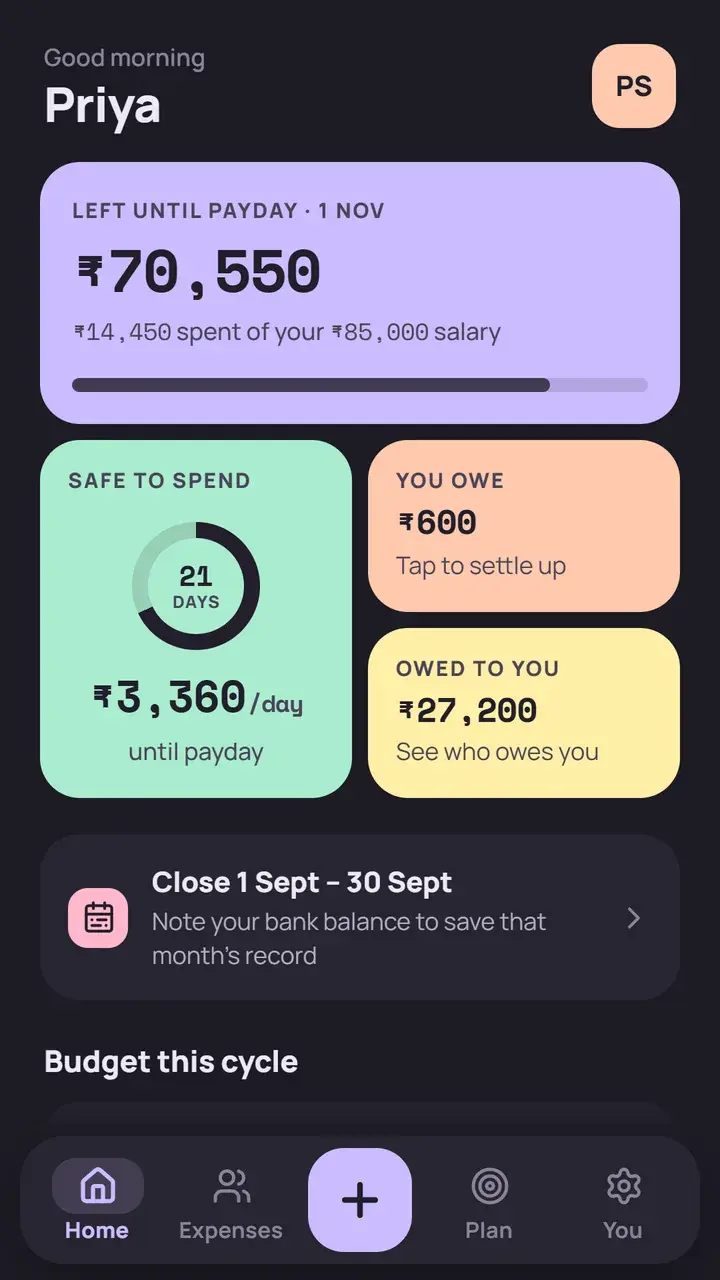
An offline-first Android money planner. It requests no internet permission, locks with a PIN, keeps backups encrypted and hides its screens from screenshots.
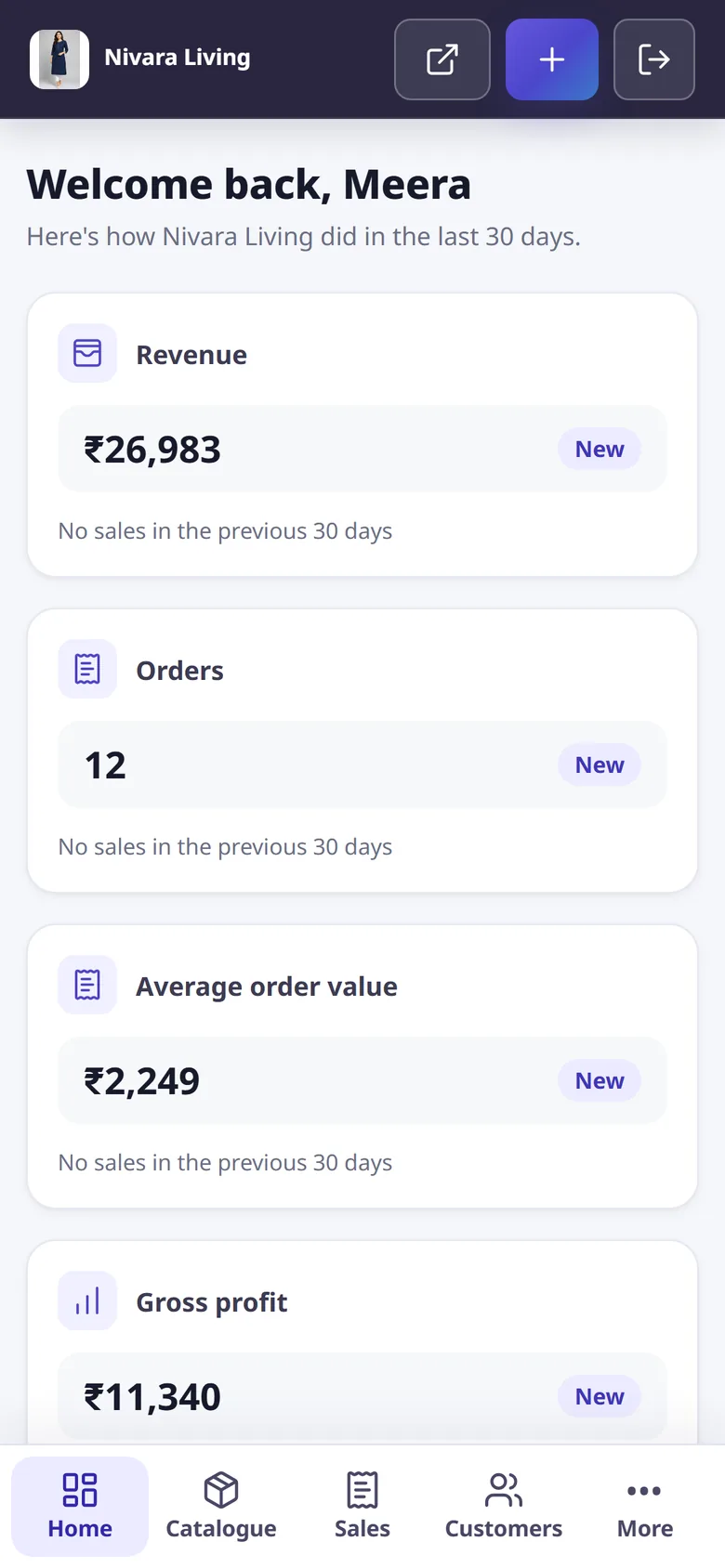
An installable PWA, so shop owners run their store dashboard from the phone home screen without an app store download.
A local market discovery app, being built now.
Native or cross-platform is decided by device features, release plans and who maintains the app. Where an installable web app is enough, we say so.
 Flutter
 React Native
 Apple
 Android
 Node.js
 Firebase
Updated
We choose based on product experience, platform features, team needs, release strategy and long-term ownership.
Yes. We can ship to both stores from a shared Flutter or React Native codebase, or build natively per platform when device features call for it.
Yes. Release preparation, signing, store listings, privacy and data-safety answers, and rollout planning can be included.
Yes. Offline and degraded-connectivity behavior can be designed when the use case requires it. YojIQ works with no internet access at all.
Collect only what is needed, keep it on the device where possible, encrypt backups, and add PIN or biometric lock and screenshot blocking on sensitive screens.
For products aimed at Indian users, Android usually comes first because most phones in use run it. For premium or international audiences, iOS may matter from day one. A cross-platform build keeps both options open.
Yes. We start with an app audit covering crashes, performance, dependencies and store standing, then fix the riskiest issues before adding features.